


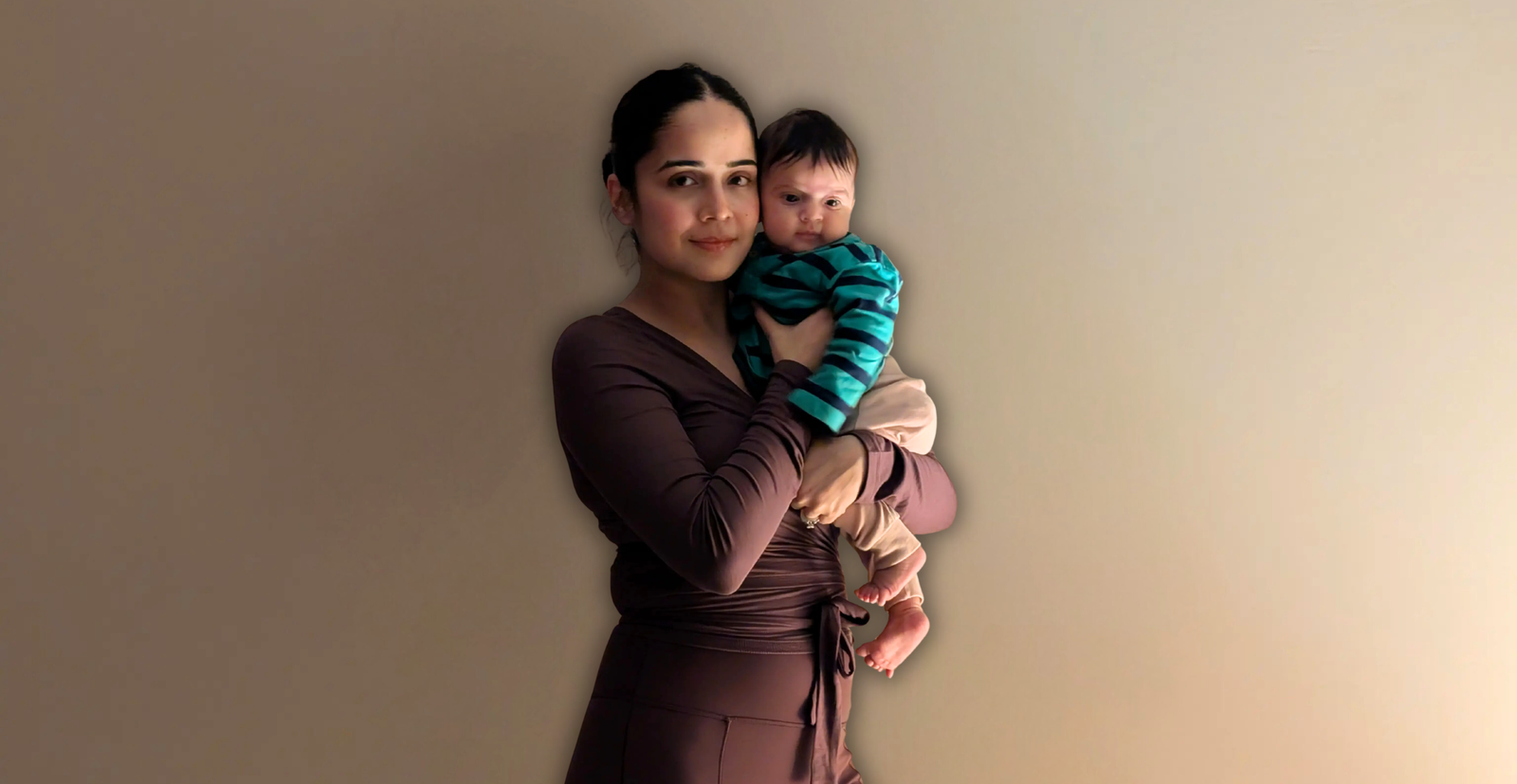


The arrival of a baby is often described as one of the happiest moments in life. Yet for many mothers, the weeks following childbirth—known as the postpartum period—can be physically and emotionally challenging.
While most pregnancy guides focus on the baby, fewer conversations focus on a mother’s recovery after birth. Understanding what to expect during postpartum recovery can help new mothers feel more prepared and supported during this important stage.
This guide explains what postpartum recovery really looks like and how mothers can care for themselves during the first weeks after childbirth.
Understanding the Postpartum Period
The postpartum period generally refers to the first six weeks after childbirth, though recovery can take longer depending on the individual.
During this time, a mother’s body begins to heal and adjust after pregnancy and delivery. Hormones shift rapidly, sleep becomes limited, and daily routines change completely.
Common experiences during postpartum recovery include:
- Physical healing after vaginal birth or cesarean delivery
- Hormonal fluctuations
- Fatigue and sleep deprivation
- Emotional adjustments to motherhood
- Learning new feeding and caregiving routines
Every recovery journey is different, and it is normal for mothers to need time to adapt.
Physical Recovery After Birth
The body goes through significant changes during pregnancy and childbirth. After delivery, healing begins gradually.
Some common physical changes during postpartum recovery include:
Vaginal Healing
For mothers who experience vaginal delivery, soreness or discomfort is common in the first weeks. Rest, gentle hygiene, and proper care can support healing.
Cesarean Recovery
For mothers who undergo a C-section, recovery may take longer due to surgical healing. It is important to follow medical guidance and avoid heavy physical activity while the body heals.
Postpartum Bleeding
Bleeding after childbirth, known as lochia, is a normal part of recovery as the uterus returns to its pre-pregnancy size.
Body Changes
Many mothers experience swelling, fatigue, and body adjustments as hormones begin to stabilize.
Emotional Changes After Childbirth
The postpartum period also brings emotional changes.
Hormonal shifts, sleep disruption, and the responsibility of caring for a newborn can make this time feel overwhelming.
Many mothers experience what is commonly known as “baby blues”, which may include:
- Mood swings
- Sensitivity or tearfulness
- Feeling overwhelmed
- Anxiety about caring for a baby
These feelings are common in the early weeks after birth and usually improve with time, support, and rest.
However, if emotional symptoms persist or become intense, speaking with a healthcare professional is important.
The Importance of Rest and Support
One of the most overlooked aspects of postpartum recovery is rest.
New mothers often feel pressure to return to normal routines quickly, but recovery requires time.
Helpful ways to support recovery include:
- Accepting help from family or friends
- Prioritizing sleep whenever possible
- Staying hydrated and eating nourishing foods
- Taking short walks once medically approved
- Giving the body time to heal
Support from partners, family members, and healthcare providers plays a significant role in a mother’s well-being.
Caring for Yourself While Caring for Your Baby
During the early weeks of motherhood, most attention naturally goes to the newborn. However, self-care is an important part of postpartum health.
Even small actions can make a difference, such as:
- Taking a few minutes to relax while the baby sleeps
- Staying connected with supportive people
- Asking questions when unsure about baby care
- Creating a calm environment at home
When mothers care for themselves, they are better able to care for their babies.
When to Seek Medical Advice
While most postpartum symptoms are normal, it is important to contact a healthcare professional if a mother experiences:
- Severe pain
- Heavy bleeding
- Signs of infection
- Persistent sadness or anxiety
- Difficulty bonding with the baby
Medical professionals can provide guidance and support during recovery.
Final Thoughts
Postpartum recovery is a deeply personal experience. While it can be physically and emotionally demanding, it is also a time of growth, learning, and bonding.
For many mothers, the most important reminder is that recovery takes time. There is no perfect way to navigate the early days of motherhood.
With patience, support, and gentle care, mothers gradually find their rhythm and confidence in caring for their baby.